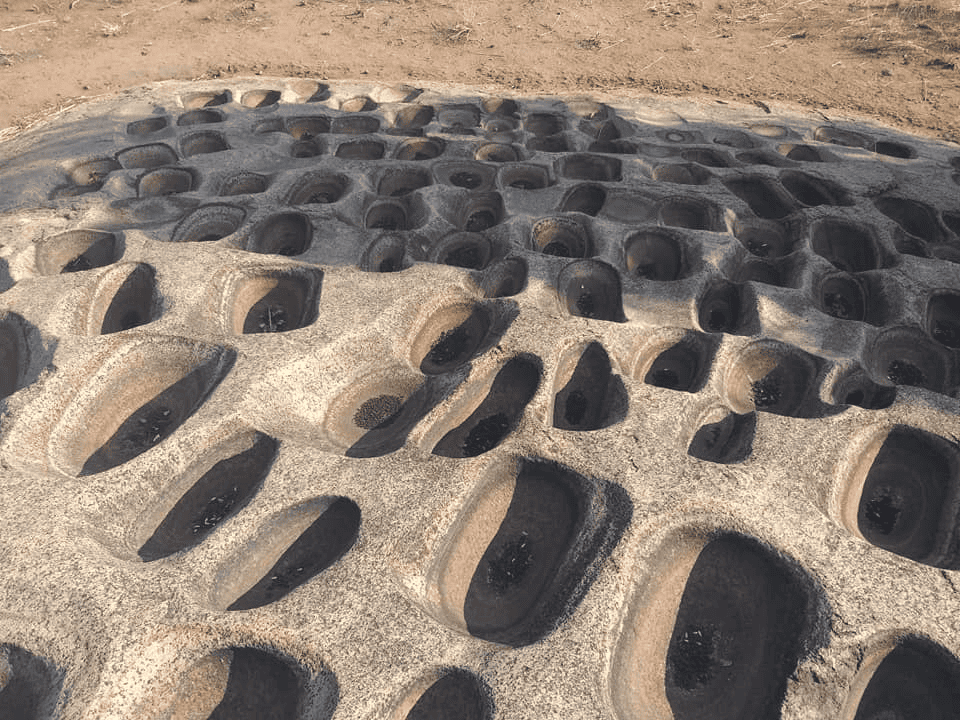
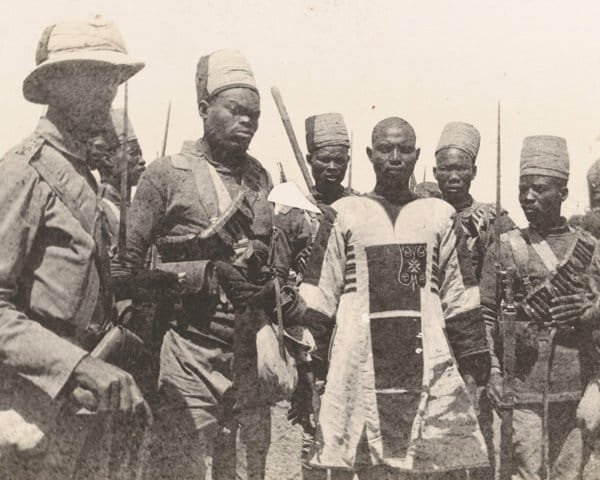
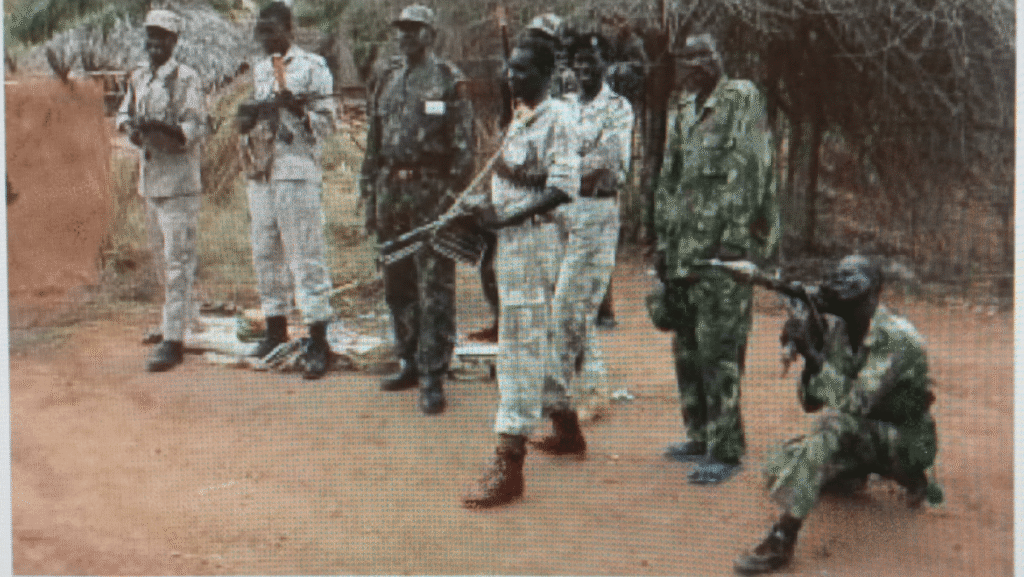

During this period, the Päri’s interactions with external forces were characterised by conflicts and alliances, especially with their neighbours, such as the Bari, the Murle, the Lopit, the Lokoya and the Lotuko, as well as by trade and exchanges in elephant tusks, ostrich feathers, beads, metal goods, and salt with the Anywaa, and by cultural and religious exchanges with visiting missionaries, including Fr. Angelo Vinco in 1850.

The Päri's experiences with the colonial powers were nasty. The Päri defeated the Mahdist Ansar forces (Amukhuta) in Pulolo, Lafon in 1897, resulting in the death of 15 soldiers and seizure of weapons. Also, the Päri suffered a defeat by the Anglo-Egyptian forces (Medir) in Laali, Lafon in 1912, resulting in bloodbath. Following these incidents, Lafon became part of Mangalla Province, with some Päri people joining the British Colonial Army or the Equatoria Corps.

The Päri participated in the two Sudanese Civil Wars, namely the First Sudanese Civil War (Anyanya I) (1955-1972), and the Second Sudanese Civil War (SPLA War) (1983-2005). The legacy of war included the loss of thousands of lives, the destruction of the original settlement around Lafon (Lipul) Hill in 1993.
According to the Pari Oral History, the Päri people used to live in the Luo cradleland (wipaach), which was located East of Rumbek in the present-day Yirol or Atuot area around 1500 AD. Due to the outbreak of famine and diseases, the first group, led by Dimo, migrated and then crossed the River Nile (kiir). Then Dimo separated from his younger brother, Nyikango, after the death of her daughter, whose stomach was dissected to remove the swallowed Nyikango’s daughter bead (tio). Migrating Southward, Dimo then settled in Liluuru at Lafon (Lipul) Hill, where he found the already settled Libaalu and Bupi (Dupi) clans. The second group, led by Giilo, migrated southward from Wipaach and crossed the River Nile at the present-day Terekaka and Gemmeiza, and then settled near Mangalla. After Giilo was killed by his elder brother, Uthieno, over jealousy, the Giilo group named the area “Burgiilo” [Grave of Giilo] and then migrated and settled in Wipäri [Head of Päri], which was located between the Päri land and the Anywaa (Anyuak) land.
The life in Wipäri was cordial until the queen, Agawi, cursed the entire population after she experienced a rape incident.
As a result, the Giilo group migrated out of Wipäri in different directions. One group migrated northeast and settled in the present-day Anywaa (Anyuak) land. The second group migrated southwest and settled near the present-day Mogire, naming it “Pulur” [Home of Alur]. Then the group migratedsouthward and settled in the present-day Nabi in Uganda. The third group migrated southward and settled in the present-day Payiera in Pacidi. Then the group migrated and settled in the present-day Lira in Uganda. Yet another group migrated northward, with one sub-group getting assimilated into the Dinka as Abii and another sub-group into the Mundari as Karbura. The last group, led by King Coogo, left Wipari and settled in Agamalaau. After the outbreak of an epidemic that killed their king, they buried him there and then migrated and settled in the present-day Parajok.
While living at the top of Lipul Hill, the Päri used to have farms at the foot of the Hill surrounded by fences (gang) to deter potential attacks. After a while, the Päri relocated to the foot of the Hill.

The Päri fought the attacking colonial forces, including the Mahdhist Ansar (Amukhuta) and the Anglo-Egyptian Forces (Medir).

The Päri lost approximately 1000 soldiers in the First Sudanese Civil War (1955-1972), and about 3000 soldiers in the Second Sudanese Civil War (SPLA War) (1983-2005), let alone

The settlement was burned down during the conflict in 1993 between the SPLA Torit faction and the SPLA Nasir faction.

The use of rifles as body marking and flag (s) (beero pl. beeri), and the militarisation of the Mojomiji system

After the signing of the 2005 Comprehensive Peace Agreement (CPA), the Päri continue to diligently and honestly serve the country, including in South Sudan Defence Forces (SSPDF)
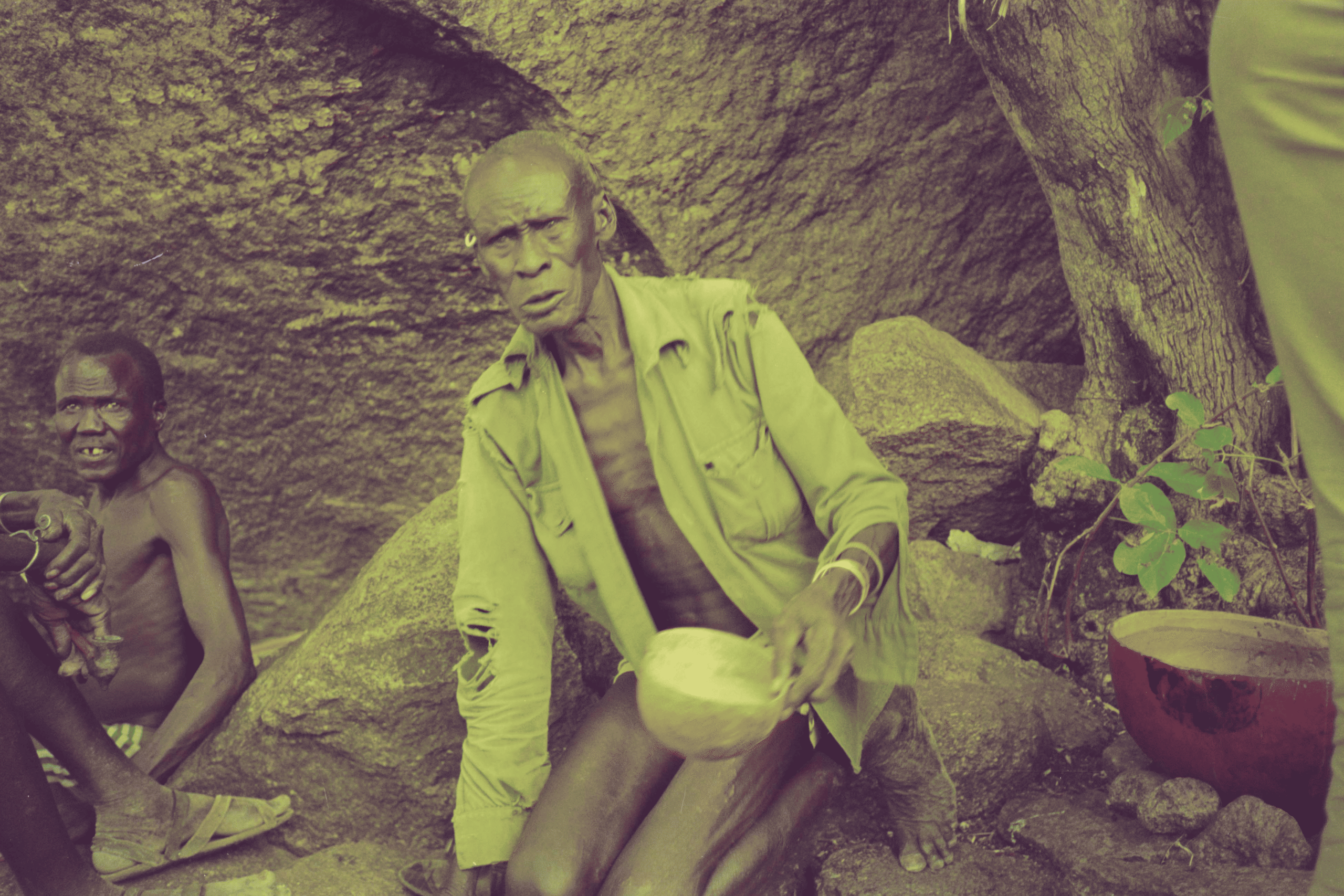
Ngang Lipul (Lipul Cave) is a holy place where a priest from the Naam clan of Pugeri performs rituals to appease gods. For example, when a stone falls, a priest calls for sacrifice.
Gär or a place where Wegi paach organises a periodic event to review their programs. It is considered a holy place because it’s the place where the Adimac clan of Bura threw away their stone “Ugwio”, and it is where the Adimac clan offers sacrifices to heal people who are sick in return for goats, sorghum and beer.
Buodo is a holy place in Wipäri, which is located 100 miles from Lipul Hill, and it is honoured by the Kurkujo clan of Bura
Agamalaau is a place where the king Coogo was buried after he died due the outbreak of an epidemic disease.
Liluuro is the burial place of Dimo and his son Alel. For example, the king of Collo, Reth Ayang, visited Lafon in 1979 to see the burial place of Dimo at Liluuro.
Burgiilo is a burial place of Gilo, which is honored by the Nyikeeu clan of Wiatuo.
Lipunni is small grass-thatched hut, which is located within the residence of the section chief of Wiatuo and it is a place where the ruling Wegi Paach keep their symbol of authority or head of a bull.
Lingulo is a hill located north of Loudo andhas Uthieno’s footprint on the top of the Hill.
Wipaach was the former Luo cradle land, which was located in the present-day Yirol or Atuot land.
Wipäri was the former settlement, which was located 100 miles northeast of Lafon Hill. Some archaeological materials exist there.
Top of Lipul Hill was a former settlement where Päri people lived after coming from
Wipäri. Some graved footprints and fallen huts exist there.
Burgiilo was the former settlement of the Gilo group before they migrated to Wipari.
Pulur was the former settlement of the Alur group that migrated to Uganda, it was located at the border between Lafon and Mogire.
Payiera was the former settlement by the Payiera group and it was located at the present-day Pacidi.
Agamalaau was located 2 km southeast of the Lafon Hill, and was the former settlement of a Pajok group led by King Coogo.
Liluuru was the place where the Jogi group settled before joining the Pugeri group at the top of the Hill.
Ukwneya was the former settlement of the Geri clan of Pucwa.
Witaar was the place where Geri and Jogi group settled after migrating from Wipäri.