The livelihoods that sustain us
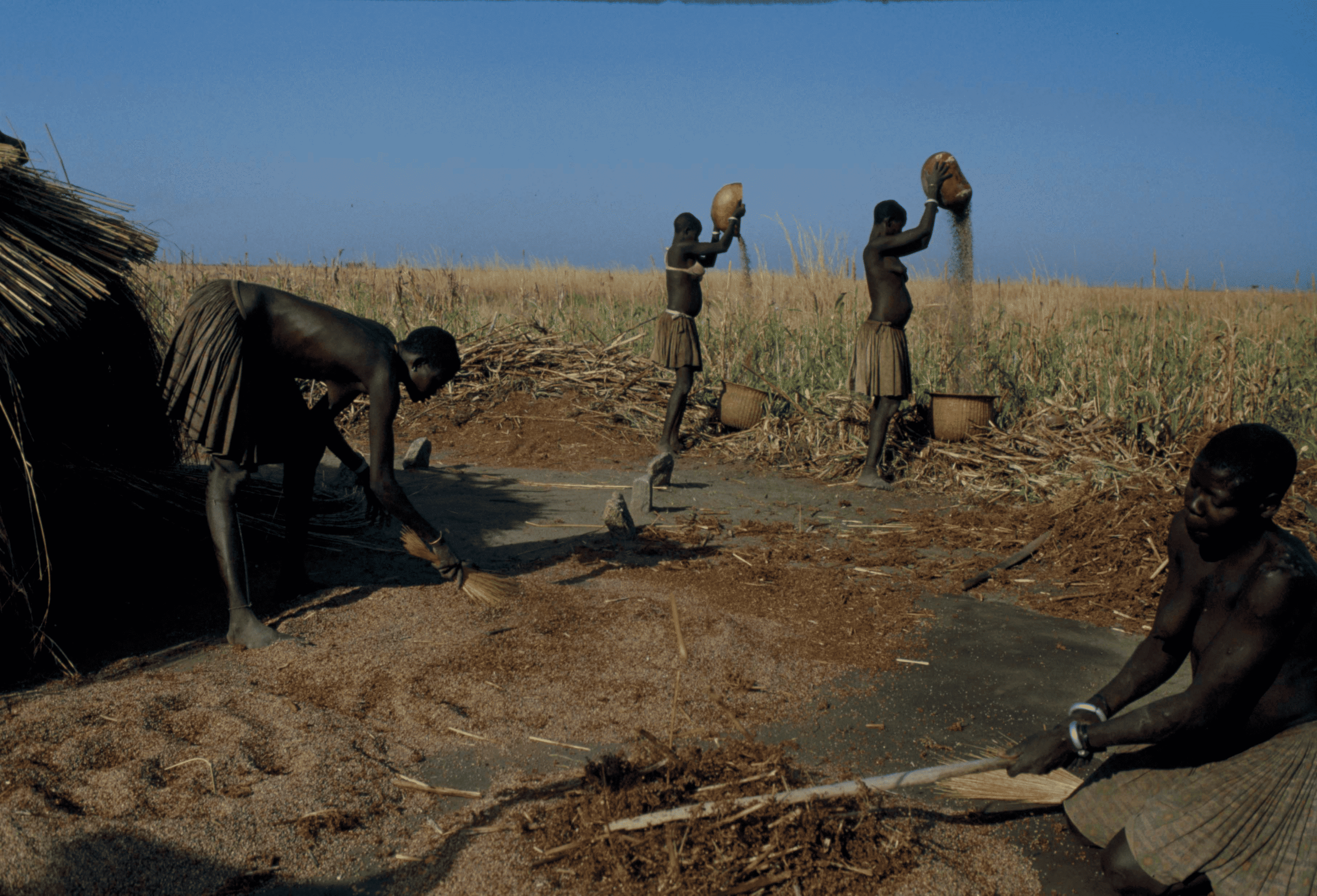
The Pรคri people practice farming, and they grow sorghum, beans, simsim okra, and pumpkin, with the sorghum [๐๐บ๐ช๐ต๐ฉ๐ช๐ฏ] being the main staple food. Using both individual and communal labour, they cultivate in two seasonsโApril to September, and December to February. As a result, the Pรคri people produce large supplies of sorghum for both subsistence and sale. For example, the Pรคri supplied large quantities of sorghum to Torit, Juba and Khartoum in the 1970s and 1980s, and cotton to the Anzra Cotton Industry in the 1950s. Since 2005, the Pรคri have been facing food insecurity due to the climate change crises, including drought, flooding and locusts. This is exacerbated by the lack of support to boost farming.
โPรคri should not be destroyed because it is a food basket!โ. This song was composed in 1980s.
A group of women threshing and winnowing sorghum. Photo by Eisei Kurimoto, 1983
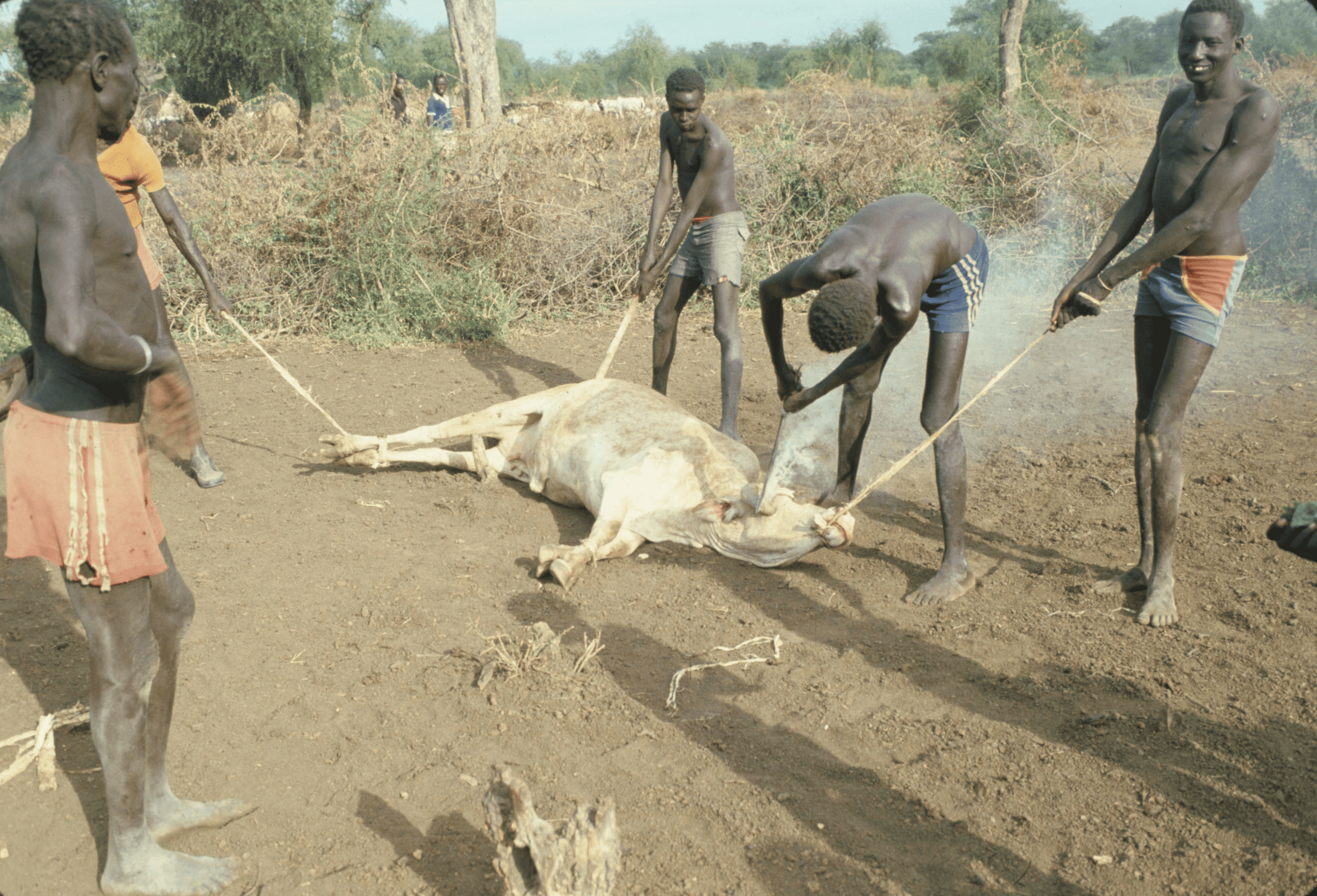
Apart from farming, the Pรคri rear domestic animals, including cattle, goats, sheep, and chicken. While goats, sheep, and chickens are kept at home, cattle are kept in a kraal (๐ฌ๐ข๐ญ๐ฐ) and are moved in search of water and pasture. Although cattle, goats and sheep are kept for milk production and marriages, they also sell them during hunger times and slaughter them for sacrifices, including during funerals, initiation ceremonies and blood compensation (๐ฌ๐ธ๐ฐ๐ฐ๐ณ).
A group of men cutting a cowโs horn (Tunge Dhieng). Photo by Eisei Kurimoto, 1979
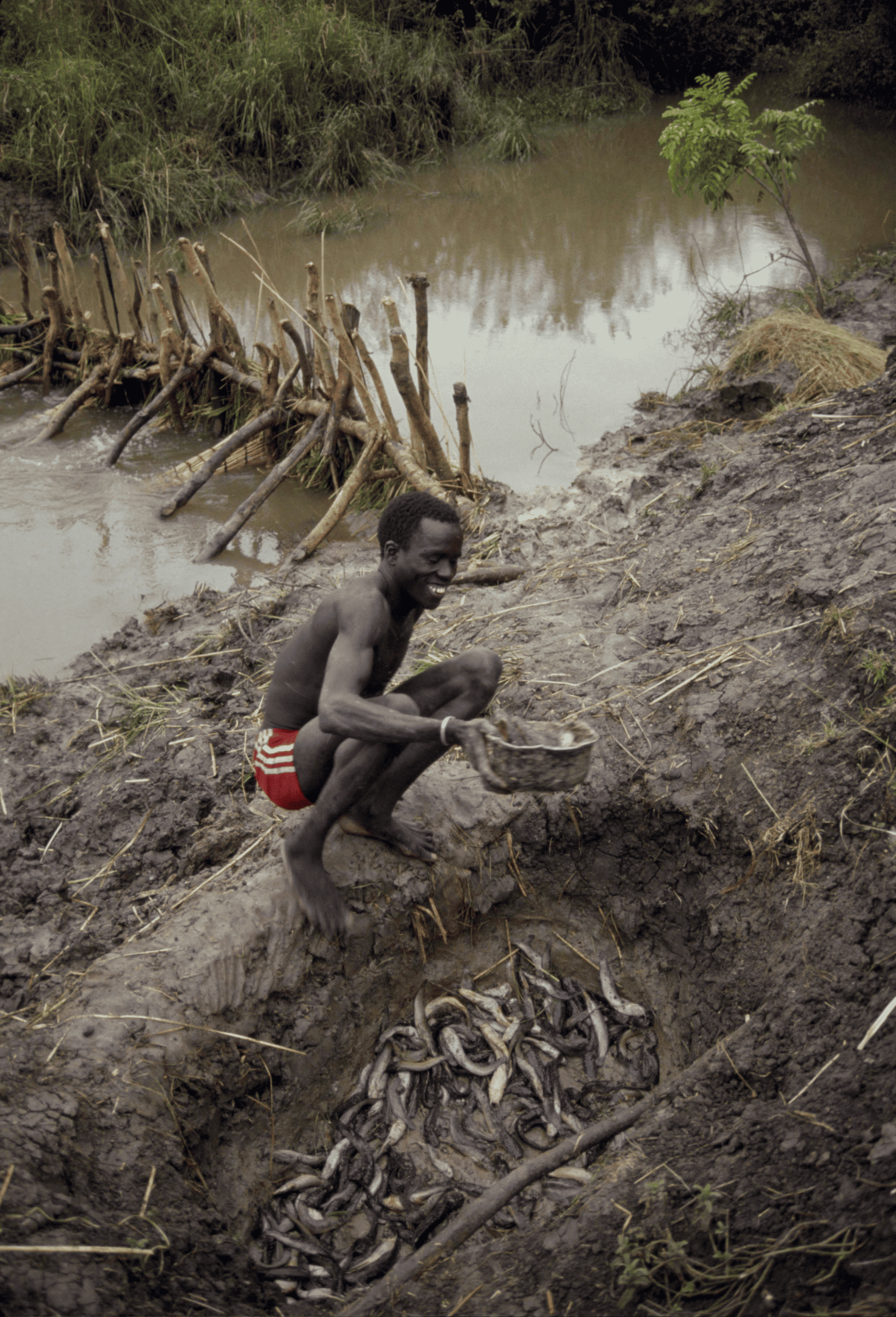
The Pรคri fish in the Atondi and Col (๐ฌ๐ช๐ฏ๐ช๐ต๐ช) rivers from December to March. Fishing often takes place at designated fishing grounds with the consent of the fishing ground owners. To fish, they use fishing methods, such as spear(๐ด) (๐ฃ๐ช๐ฅ๐ฉ๐ช ๐ฑ๐ญ. ๐ฃ๐ช๐ต๐ฉ๐ฆ), hook(๐ด) (๐จ๐ฐ๐ฐ๐ญ๐ฐ ๐ฑ๐ญ. ๐จ๐ฐ๐ฐ๐ญ๐ฆ), basket (๐ด) (๐ถ๐ณ๐ธ๐ข๐ต๐ฉ ๐ฑ๐ญ. ๐ถ๐ณ๐ธ๐ข๐ต๐ฉ๐ช), grass-thatched bundle(๐ด) (๐ถ๐ฅ๐ฉ๐ถ๐ถ๐ญ๐ถ), a hole trap (๐ต๐ธ๐ช๐ฆ๐ณ ๐ฑ๐ญ. ๐ต๐ธ๐ช๐ค๐ฉ๐ช ) and a wooden trap(๐ณ๐ธ๐ฐ๐ฐ๐ฌ) and water path (๐ฌ๐ฆ๐ฆ๐ฌ). The main types of fish include mudfish and tilapia, which are either smoked (๐๐ฅ๐ถ๐ฏ๐จ๐ข ๐ฑ๐ญ.๐๐ฅ๐ถ๐ฏ๐จ๐ฆ) or dried and dissected (๐ข๐ฅ๐ข๐ฏ๐จ๐ข ๐ฑ๐ญ. ๐ข๐ฅ๐ข๐ฏ๐จ๐ฆ) or dried as a whole (๐ข๐ฌ๐ถ๐ถ๐ฅ๐ข ๐ฑ๐ญ. ๐ข๐ฌ๐ถ๐ถ๐ฅ๐ฆ). The Pรคri fish (๐๐ฎ๐ข๐จ๐ข ๐รค๐ณ๐ช) is delicious and in high demand in Torit and Juba. However, large-scale fishing is hampered by the lack of modern fishing tools and road and market access challenges.
The man catching fish via a fish hole method (twier) and collecting fish (Riec) at a pit (Buur). Photo by Eisei Kurimoto, 1985 |
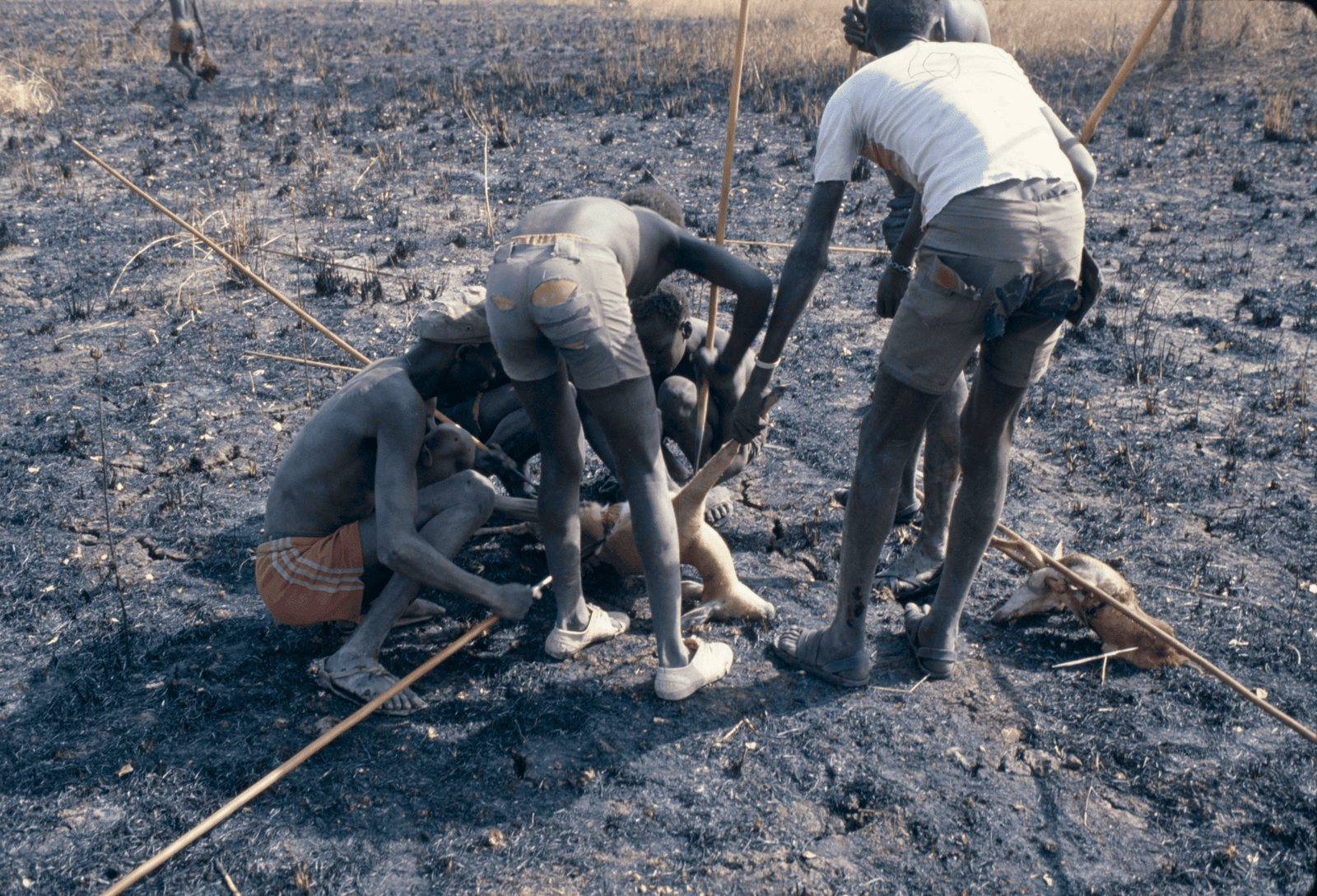
Another livelihood practice is the hunting of wild animals in designated hunting grounds. With the consent of hunting ground owners, they hunt mainly antelopes between December and April to change their diet and to deter animal encroachment into their farms and homesteads. Although individuals can hunt, communal hunting is highly practiced, but hunting is banned between May to November because it is believed to lead to crop failure, and those who violate the ban are held accountable by Wegi Paach. The Pรคri traditionally used spears to hunt. Currently, some individuals, including from different parts of South Sudan, are involved in gun-related poaching, especially along the border between Lafon and Juba.
A group of men sharing game meat (Ringe Layi). Photo by Eisei Kurimoto, 1983
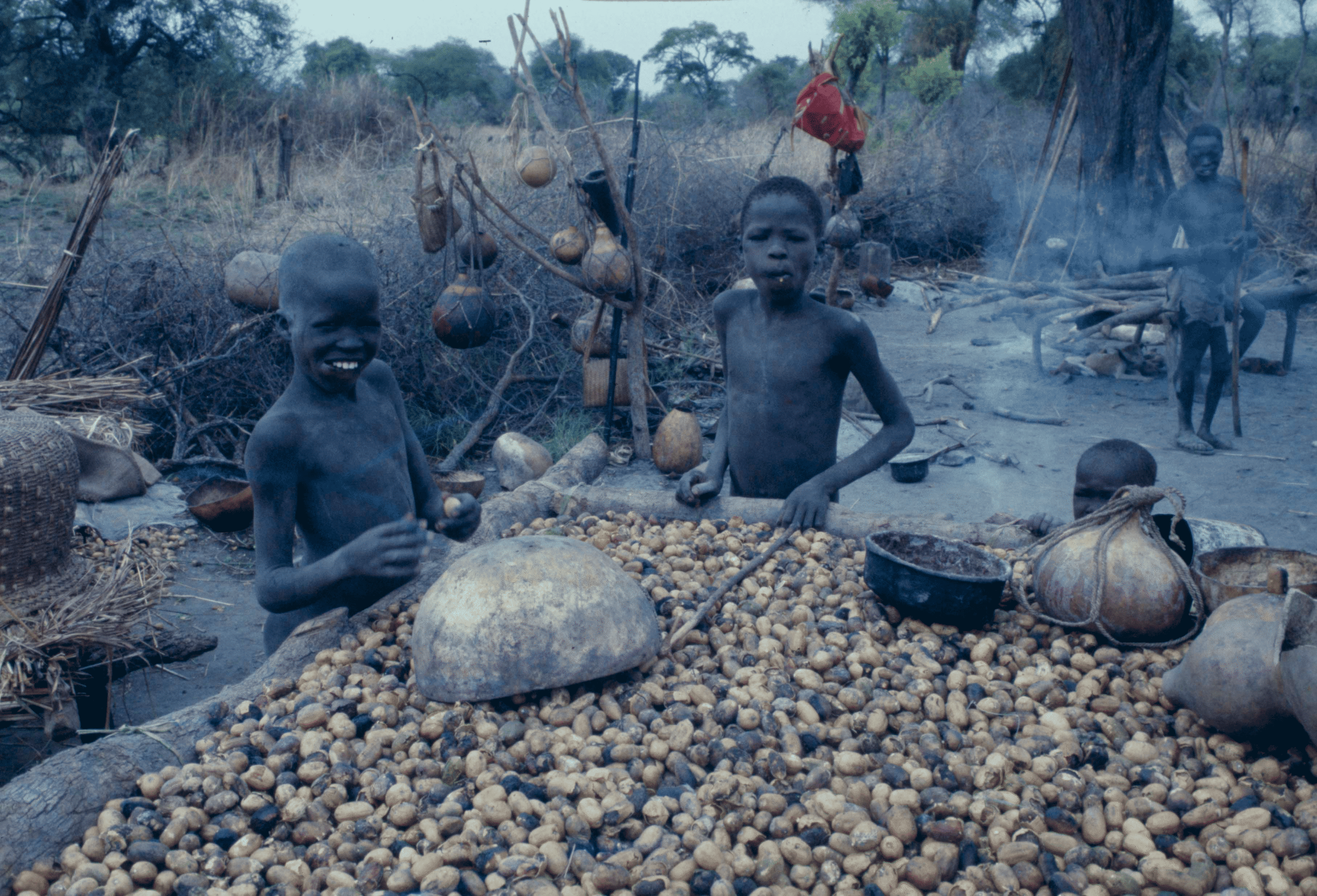
The Pรคri people also depend on gathering. As their land is endowed with natural products, the Pรคri collect wild fruits and vegetables, such as gum arabic (๐ฅ๐ฐ๐ธ๐ฐ ๐ฑ๐ญ. ๐ฅ๐ธ๐ฐ๐ฌ), desert date (๐ต๐ฉ๐ฐ๐ธ ๐ฑ๐ญ. ๐ต๐ฉ๐ฐ๐ธ๐ฐ), wild vegetables (๐๐ฅ๐ฐ๐ฐ), and honey (๐ฌ๐ช๐ค). They use these products for both consumption and sale.
A group of boys standing behind collected desert dates (thow). Photo by Eisei Kurimoto, 1979
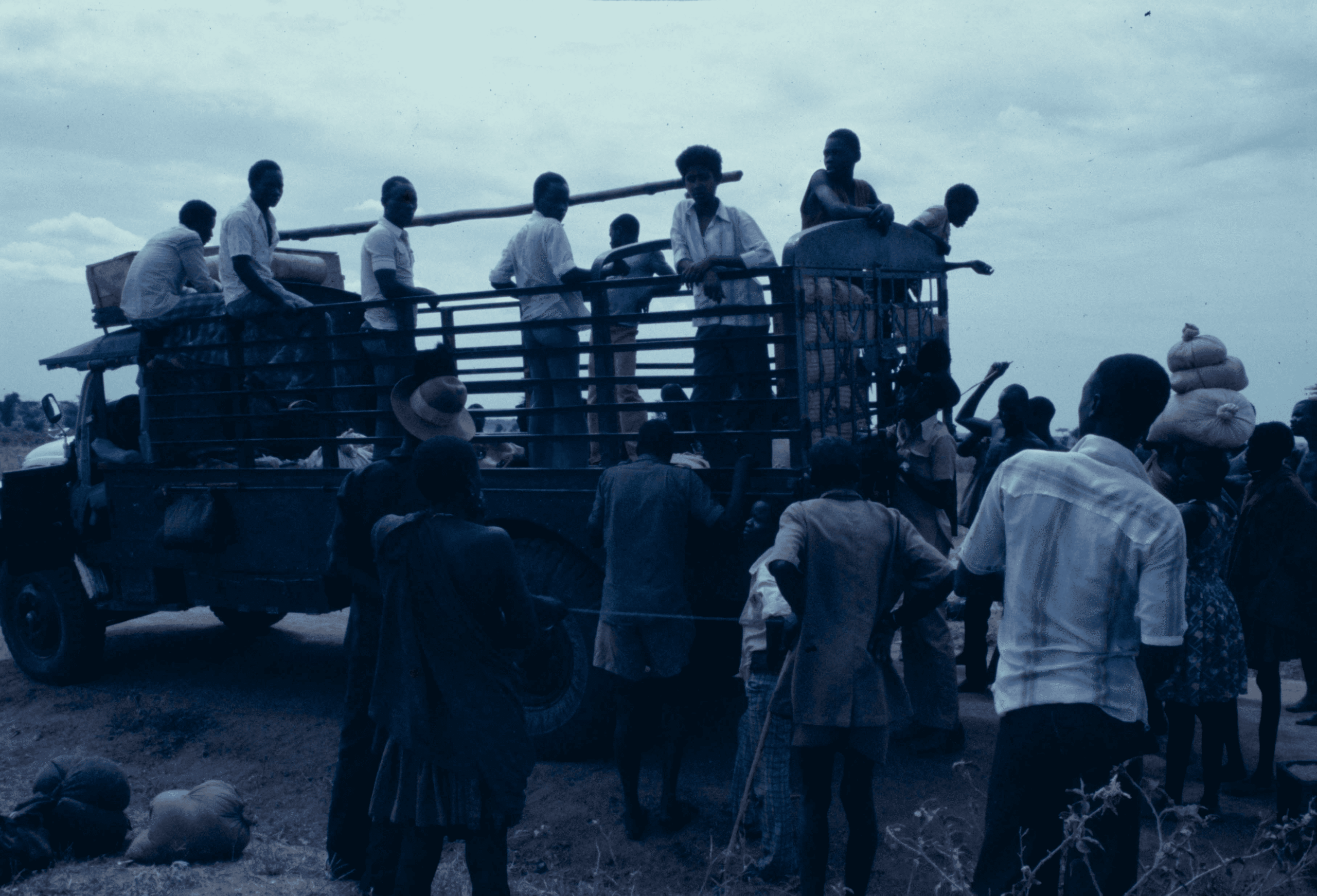
The Pรคri engage in barter trade with their neighbours, including the Lopit, the Lotuko, the Lokoya and the Bari, and their main tradable items include cattle, goats, sheep, chicken, fish and sorghum as well as pots, groundnuts. They also use cash to buy soap, oil, and beads among others. The trade has been limited by the lack of road and market access.
A group of people disembarking and climbing a lorry (Toromele): Photo by Eisei Kurimoto, 1979
The Pรคri people practice farming, and the crop they group include sorghum, beans, okra, pumpkin among others, with the sorghum [nyithin] being the main stable. Though they produce for subsistence, they at times produce surplus, which are then sold.
The Pรคri also rear animals such as cattle, goats, sheep and chicken. Although cattle are purely kept for marriage, they are also sold especially during lean season. Apart from that, the Pรคri also sacrifice bulls during the funeral of an adult, initiation of the new Wegi
The Pรคri also carry out fishing, which takes place during dry seasons (Dec-March) at Atoned and Col rivers. Once the fish is caught, it is either smoked or dried before it is eaten or sold out.
During the dry season (Dec to March), the Pรคri depend on hunting in designed hunting grounds. Traditionally, Pari used spear to hunt animals for meat, such as antelop, etc. However, this has changed due to the availability of guns.
The Pรคri also depend on gathering of wild fruits and vegetables, such as desert dates and acacia gum from the forest. As thereโs a lack of market or access to far market, the exploitation of these goods remains low.
The Pรคri trade with its neighbours, including Latuko, Lopit, Lokoya and Bari. The trade involves either barter or cash trade, and the traded items, including sorghum, goats, fish among others. Besides that the Pari people also travel as far as Torit and Juba to sell chicken, goats, cattle and fish. However, the trading between Lafon and Torit and Juba normally takes place during dry season as the Torit-Lafon and Mugire-Lafon road become impassable.