
Exploring the foundations of peace and justice in our
community
These conflicts are fuelled by the politics of domination, and they can manifest in the form of stick fighting. For example, the stick fighting between the Wiatuo and the Kor, forced the latter to migrate to Acholi land in the 1890.
These conflicts are fuelled by competition, and they can take the form of stick fighting among age groups. However, these conflicts can result in inter-village fighting. For example, the stick fighting between Ajanga and Lingolu age groups, culminated in the conflict between Kor and Pugeri villages in 1982.
The conflict between Wiatuo and Bura, which occurred in 2015, resulted in some deaths from both sides. However, this conflict was resolved following the payment of blood compensation.
The Päri people strive to maintain unity at all times. The commitment to remain united provides an opportunity to reconcile.
The Päri people share blood relationships that bind them together, with some clans being shared between different sections. For example, the Pukwari clan exists in both Pugeri and Wiatuo sections.
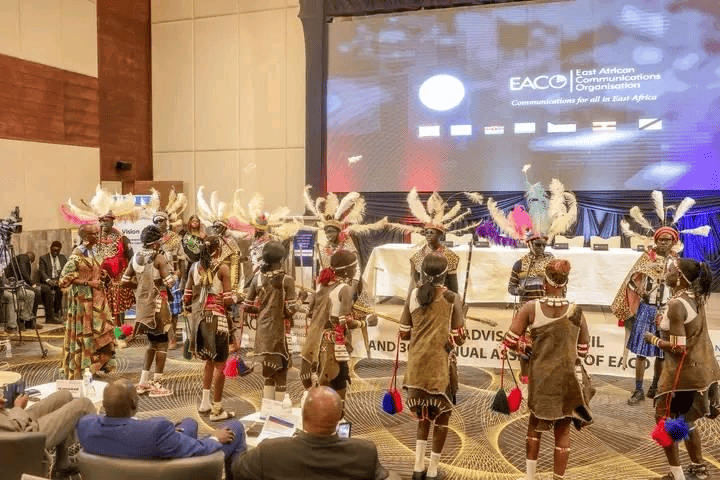
The annual festival (nyalam) provides an opportunity for all the Päri sections to come together. This festival strengthens unity and social-cohesion.
The Päri are united in defense of each other as an attack on one is considered an attack against all.
The inter-ethnic relations between the Päri and their neighbours are characterised by conflict and peace
The conflict between the Päri neighbours stem from cattle raids, revenge attacks, and competition over resources.

The conflict between the Toposa and the Päri over cattle raiding dates back to the pre-colonial period. However, this conflict was resolved around 1800, with the two parties pledging to avoid raiding. Despite a few incidents of violations, Approved… Pending this agreement has been held. For example, the Toposa returned the stolen cattle from Lafon in July 2025, as a sign of adherence to the decade-old agreement

The Päri people used to raid the Bari, but the raiding was stopped by the British Colonial Administration in 1912, after which Lafon was incorporated into the Mangalla province in 1920. This move cemented the relationship between the Pari and the Bari.

The relations between the Pari and the Lopit has been relatively peaceful despite some incidents that strained their relations, especially during the 1990s. For example, the conflict with the Lopit flared up over the naming of the shared county “Lafon” in 2005. This was resolved in 2022 after the Lopit was awarded an administrative area.

The conflict with Lotuko (Lohiri) over fishing ground was resolved in 1977 in favour of the Päri. Yet another conflict flared up over ambushes of The Pari road users, culminating in the killing of 18 Päri people during the peace process in Lohiri. But, the situation remained relatively calm after the peace dialogue between the Päri and Lohiri was held in Kudo in 2023.
Kinship: Several groups from neighbouring communities have been assimilated into the Päri. For example, a Wiateo clan of Dupi, who were originally from Lolubo, and a Bura clan of Adimac, who were from the Lopit, and the Pugeri and Wiateo clan of Pukwari from Bari and the Pugeri clan of Laali from Dinka. Similarly some Päri groups got assimilated into other tribes, namely Korbura of Mundari and Abii of Dinka Bor, the Hang Pari of Lotuko.
Trade: The Päri people and their neighbours depend on each other for trading especially during the time of scarcity.
Inter-marriage: The Päri people intermarriage with their neighbours, including the Lopit, the Lokoya, the Lotuko and the Bari. These intermarriage practices enhance relationships beyond the conflict lines.
The Age Grading System: The Pari and some of their neigbours share the same age grading system or Monjomiji.
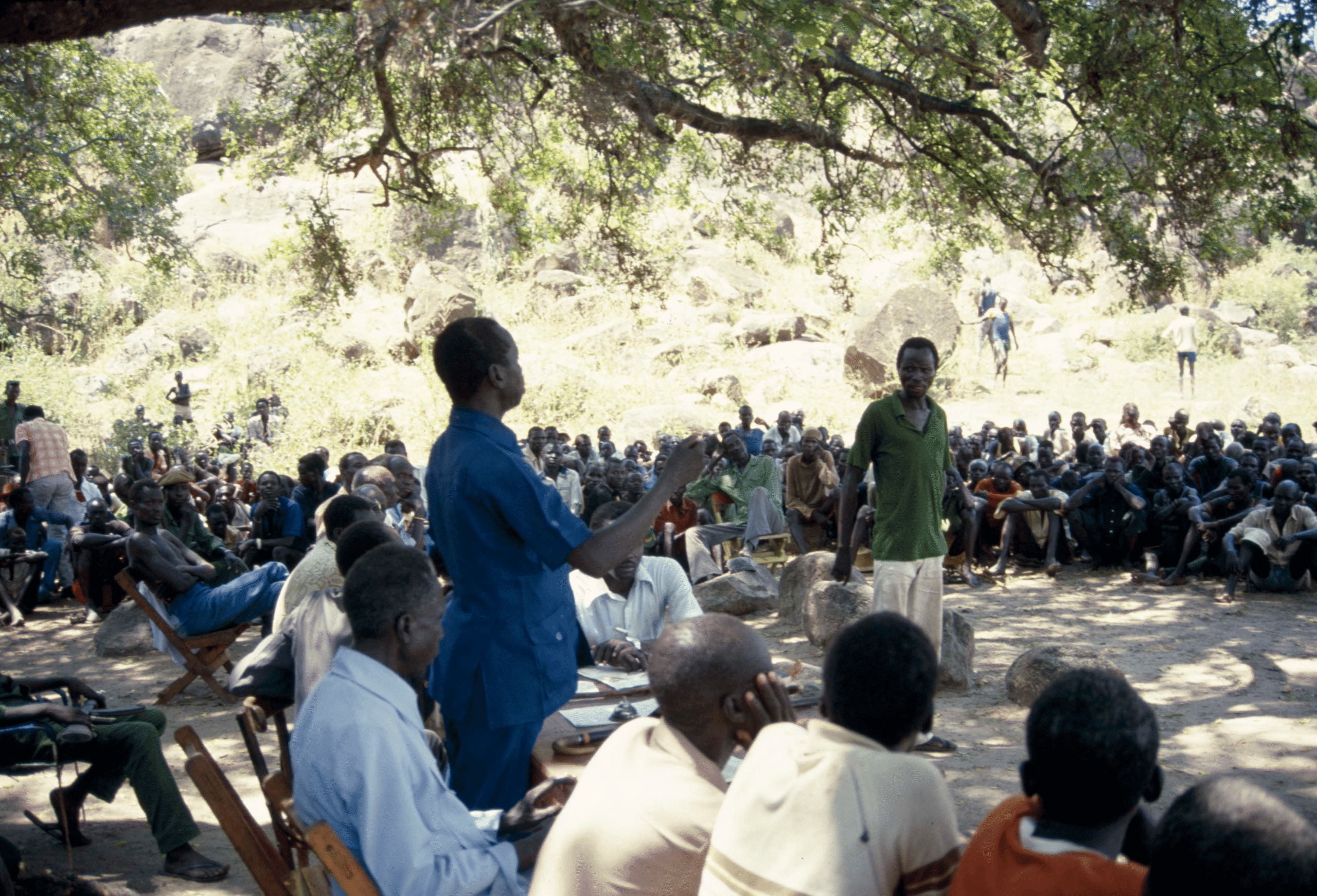
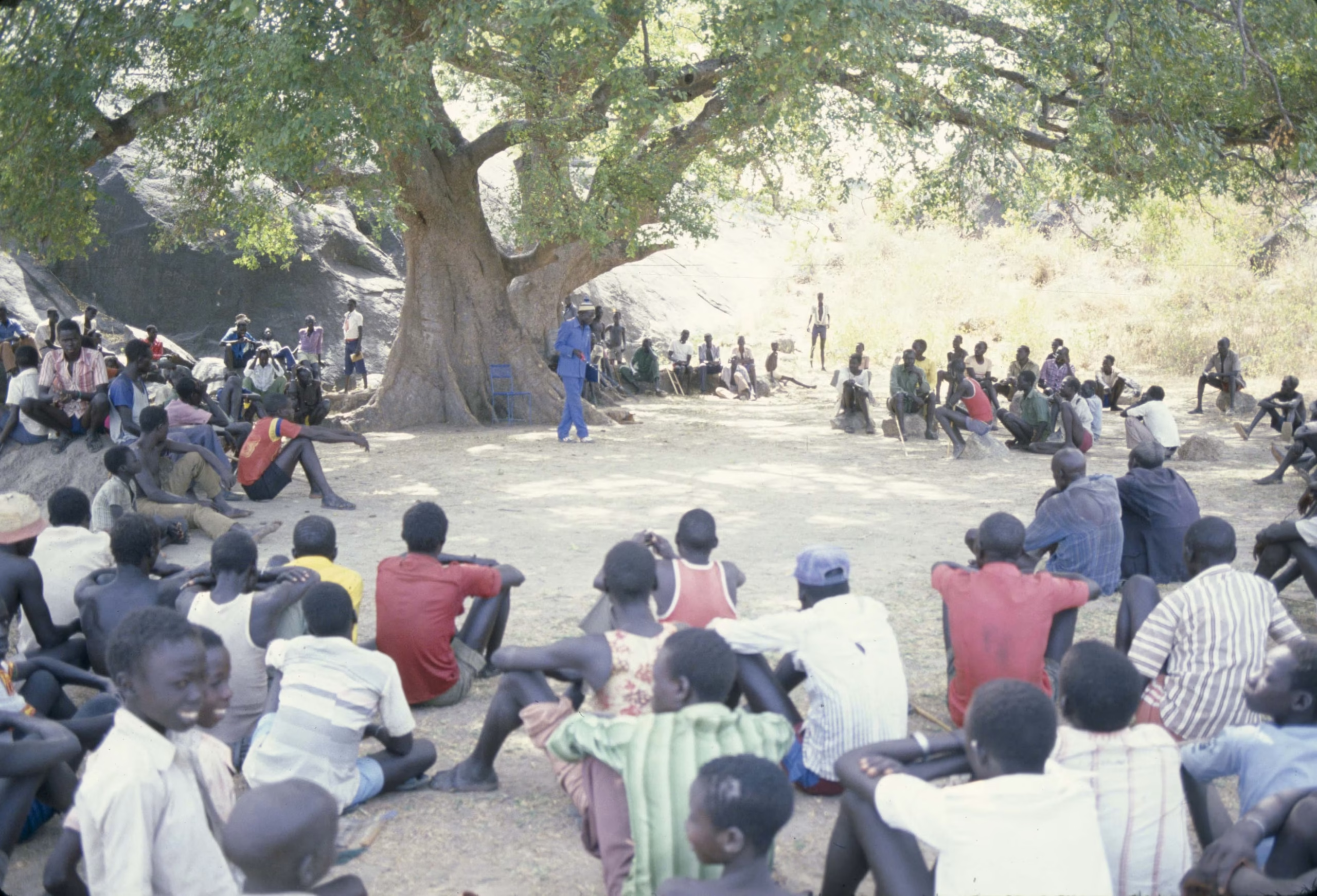
Among the Päri people, courts play a vital role in maintaining social harmony and delivering justice. Traditional courts, led by the judge (Likweri) and a panel of elders, handle most local disputes, including land issues, marriage disagreements, and minor offenses. Using customary laws passed down through generations, these courts prioritise reconciliation and community cohesion. In recent years, interactions with formal state legal systems have increased, but traditional courts remain trusted institutions for resolving conflicts, reflecting the values and lived realities.
Following the repeated dispute between the Pari and the Lotuko (Lohiri), The Chief Administrator, Mr. Alispana K. Mulla, convened a meeting in his office in 1877. The Pari were represented by Chief Timon Arugo and the Lotuko were represented by Kanuto Ikebek and Osvaldo, the chief of Loronyo. During the hearing Osvaldo admitted that the fishing ground belonged to the Pari people as per her father’s advice. As a result, Mr. Alispana ruled in favour of the Pari in 1977.